Design-Build Firm vs. Hiring an Architect and Builder Yourself vs. Working with an Owner’s Representative: Which Construction Project Delivery Method Is Right for You?
Choosing the right delivery method can make or break a building project. Whether you’re weighing a design-build firm, hiring an architect and builder separately, or bringing in an owner’s representative, each route affects cost, schedule, and who’s accountable when problems arise. This guide breaks down those differences so you can pick the path that aligns with your goals and comfort level.
We’ll define how design-build works, explain what it looks like to hire an architect and builder separately, describe the owner’s representative role, and compare each approach on cost, timing, and quality—plus practical tips for custom homes in South Florida. Use this as a straightforward roadmap to decide what’s best for your project.
What Is a Design-Build Firm and How Does the Design Build Construction Process Work?
A design-build firm combines design and construction under one contract and one team. That integration encourages early collaboration between designers and builders so decisions about budget, materials, and constructability are made together. The upside: fewer handoffs, faster decision-making, and often a smoother path from idea to finished space.
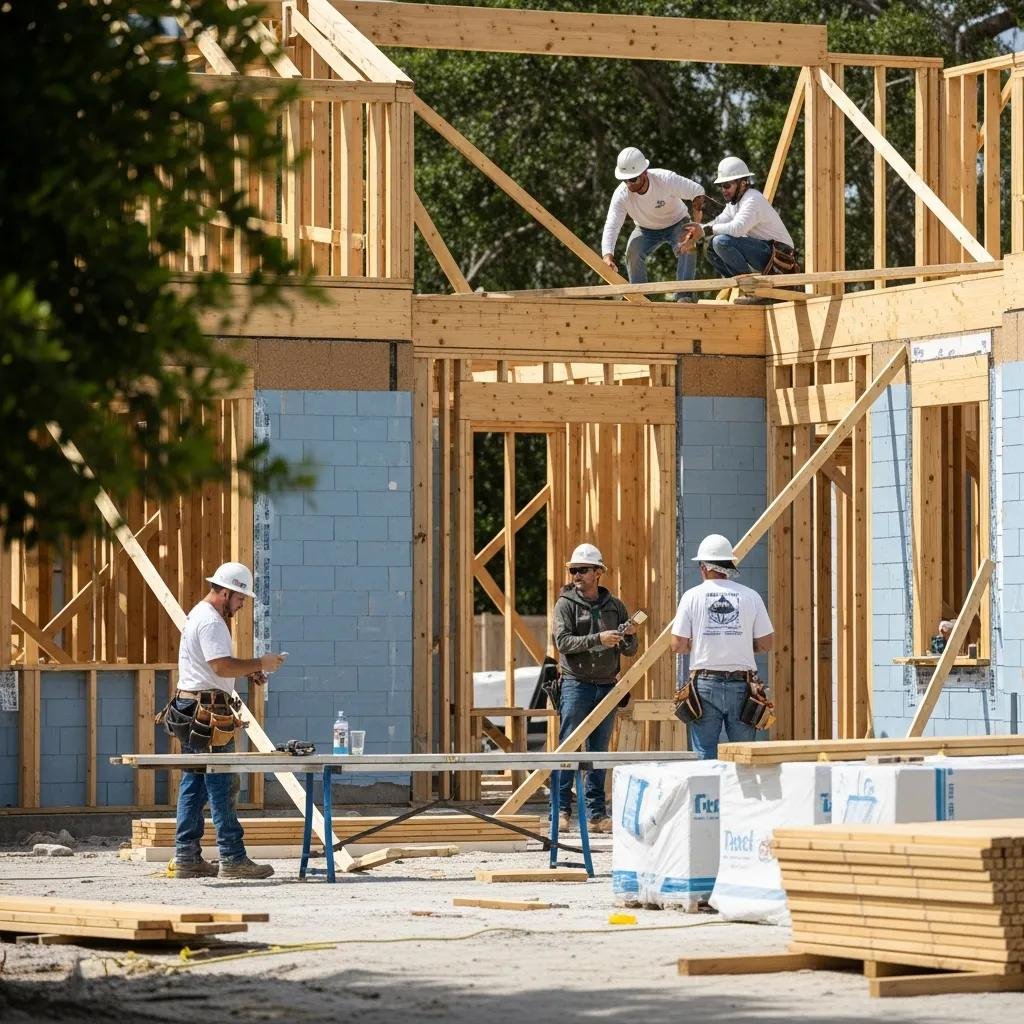
Typical design-build phases include an initial consultation, concept and design development, construction planning, and construction execution. Because the same team manages both design and build, schedules can overlap and accountability is clearer—saving time and reducing friction for owners.
What Roles and Responsibilities Does a Design-Build Firm Cover?
Design-build firms handle a wide set of responsibilities to deliver a cohesive project. Common roles include:
- Project Management: Directing the project from concept to completion and keeping schedule and budget on track.
- Design Services: Producing architectural and design work that balances your vision with practical buildability.
- Construction Services: Managing construction, subcontractors, procurement, and code compliance.
Bringing these responsibilities under one roof reduces miscommunication and helps keep projects moving forward without repeated handoffs.
What Are the Benefits of Design Build Firms Compared to Traditional Methods?
Design-build offers several practical advantages over the traditional, split-contract approach:
- Single Point of Contact: One contract and one team simplify communications and decision-making for the owner.
- Cost Efficiency: Early collaboration and integrated procurement can reduce change orders and tight margins, which often lowers overall cost.
- Faster Project Delivery: Overlapping design and construction activities typically shorten the schedule.
For owners who want clarity and fewer moving parts, design-build is often the most efficient route.
What Does Hiring an Architect and Builder Separately Involve?
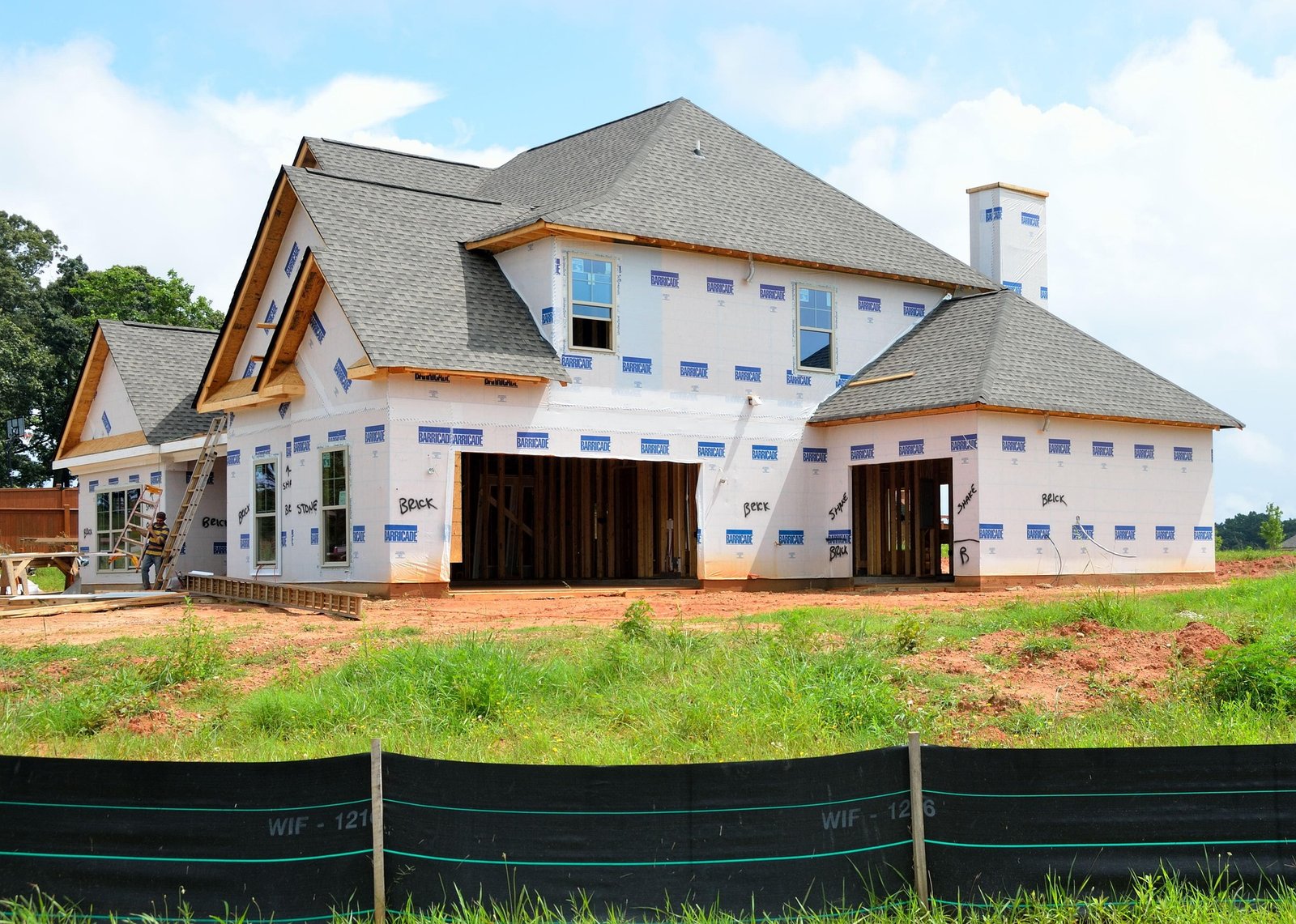
Hiring an architect and builder separately follows the traditional model: the architect develops the design, then the owner hires a contractor to build it. This approach allows each professional to specialize, which can produce highly tailored design solutions—but it also requires careful coordination and more owner oversight.
The process usually starts with design development and permits, then moves to bidding and contractor selection. Because design and construction are managed independently, alignment between the two teams must be actively maintained to avoid delays or costly revisions.
How Do Architect and Builder Roles Differ and Coordinate?
Architects and builders bring distinct, complementary expertise:
- Design Development: Architects create the plans, details, and specifications that define the project.
- Regulatory Compliance: Architects make sure the design meets zoning and code requirements.
Builders focus on:
- Construction Execution: Managing crews, scheduling deliveries, and building per the plans.
- Quality Control: Ensuring workmanship matches the design intent and standards.
Clear, ongoing communication between architect and builder is essential. Regular coordination meetings and a well-defined scope help reduce surprises during construction.
What Are the Risks and Challenges of Hiring Architect and Builder Yourself?

Separating design and construction can deliver a bespoke result, but it introduces several common risks:
- Communication Gaps: Misunderstandings between architect and builder can lead to costly rework.
- Increased Costs: Design decisions that don’t account for construction realities can create change orders and budget overruns.
- Longer Timelines: Sequential workflows and extra coordination typically lengthen the schedule.
If you choose this path, plan for active owner involvement or hire a coordinator to keep teams aligned.
What Is the Owner Representative Role in Construction and When Should You Consider Hiring One?
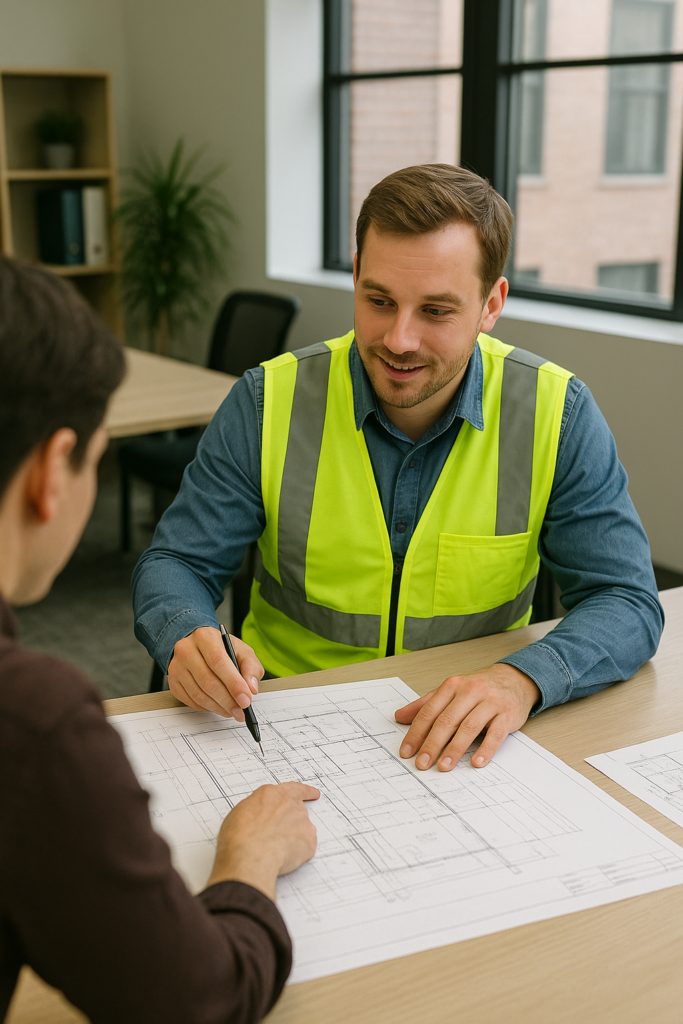
An owner’s representative serves as your advocate and project manager—overseeing schedules, budgets, and communications so you don’t have to. This role is invaluable for owners who lack the time or technical background to manage daily construction decisions or who want an expert to protect their interests.
The representative coordinates between owner, architect, and contractor, tracks milestones, reviews invoices and change orders, and raises issues before they become problems. For busy owners or complex projects, an owner’s rep brings clarity and consistent oversight.
How Does an Owner's Representative Protects Homeowner Interests?
Owner’s representatives use practical tools to keep projects on track and defend homeowner priorities, including:
- Regular Updates: Clear, scheduled progress reports and concise explanations of any issues or changes.
- Budget Oversight: Monitoring costs, approving invoices, and identifying savings opportunities.
- Quality Assurance: Inspecting work at key milestones and verifying compliance with plans and regulations.
With an owner’s rep in place, homeowners get a steady point of contact who anticipates problems and enforces standards.
What Are the Advantages of Working with an Owner’s Representative?
Hiring an owner’s representative delivers several clear benefits:
- Expert Guidance: Professional oversight reduces risk and improves decision-making—Boris’s deep experience managing high-profile South Florida builds means homeowners get practical, region-specific advice.
- Time Savings: The rep handles day-to-day coordination so owners can focus on their priorities.
- Conflict Resolution: A neutral, experienced intermediary can quickly resolve disputes and keep the project moving.
For owners who want a smoother, more confident build, an owner’s representative is often a smart investment.
Discover How an Owner’s Representative Works
If you’re curious to explore the owner representative approach in more depth, it’s worth taking a closer look at how this role can simplify your project. An owner’s rep acts as your advocate, managing the complexities of construction so you don’t have to. To learn more about how an owner’s representative can support your build and protect your interests, visit fidaracm.com for detailed insights and resources.
How Do Design-Build Firms, Architect-Builder Teams, and Owner’s Representatives Compare?
Each delivery method balances cost, schedule, and risk differently. Your choice should reflect what you value most—budget certainty, design control, speed, or hands-off management.
How Do Cost, Timeline, and Risk Differ Among These Project Delivery Methods?
Below is a concise comparison to highlight the typical trade-offs between methods.
Use these distinctions to match the delivery method to your priorities—whether that’s tighter timelines, stronger design control, or stronger oversight.
| Method | Cost Implications | Timeline Considerations | Risk Factors |
|---|---|---|---|
| Design-Build Firm | Often lower overall costs due to integrated planning and fewer change orders | Shorter schedules because design and construction can overlap | Lower risk of miscommunication since one team manages both phases |
| Architect-Builder Teams | Potentially higher because separate contracts and later-value engineering can add costs | Generally longer timelines caused by sequential workflows and coordination needs | Higher risk of design-construction misalignment without active coordination |
| Owner’s Representative | An added fee, but can reduce costly mistakes and overruns | Timelines depend on contractor performance; rep helps keep schedule on track | Risk is reduced through oversight, quality checks, and early issue resolution |
This comparison clarifies the trade-offs so you can decide which approach aligns with your appetite for involvement, risk, and schedule.
Which Method Offers the Best Quality and Accountability?
Quality and accountability depend on team selection and contract structure. Design-build often delivers strong accountability because the integrated team owns both design and construction outcomes. Architect-builder models can yield exceptional design quality but require clear contracts and active oversight to ensure accountability. Owner’s representatives increase accountability regardless of delivery method by enforcing standards and advocating for the homeowner.
What Is the Custom Home Building Process in South Florida and How Do These Roles Apply Regionally?
Building in South Florida introduces specific constraints—local codes, hurricane resilience, water management, and market-driven material and labor conditions. Choosing a delivery method that understands those regional factors will save time and reduce risk.
What Are Specific Considerations for Custom Home Building in South Florida?
Key South Florida considerations include:
- Zoning Laws: Local zoning and permitting requirements vary; early vetting prevents costly redesigns.
- Climate Resilience: Designs must address hurricane loads, wind-rated systems, and flood risk mitigation.
- Building Codes: Strict local codes affect structural systems, openings, and materials—compliance is non-negotiable.
Accounting for these factors from the start reduces surprises and keeps your project compliant and durable.
How Do Design-Build Firms and Owner Representatives Operate in South Florida?
In South Florida, experienced design-build firms prioritize hurricane-resistant details and resilient materials while streamlining permitting. Owner representatives focus on local compliance, contractor vetting, and cost control. Both roles add value by navigating regional requirements and protecting homeowner investments.
How Can You Decide Which Construction Project Delivery Method Is Right for You?
Your decision should reflect the project’s complexity, your budget and timeline, and how much you want to be involved. Use the checklist below to clarify priorities and choose the best delivery method for your needs.
What Checklist Can Help You Choose Between Design-Build, Architect-Builder, and Owner’s Representative?
Use this checklist to evaluate which path fits your project:
- Project Complexity: Does the build require specialized systems or high design customization?
- Budget Constraints: Are you aiming for tight budget certainty or flexibility for premium finishes?
- Timeframe: Do you need the fastest possible delivery or are you comfortable with a longer, design-led process?
- Level of Involvement: Do you want to manage decisions closely, or would you prefer an expert to handle details?
Answering these questions will point you to the delivery method that best matches your priorities.
What Recent Industry Statistics Support Each Method’s Success Rates?
Industry data generally shows design-build projects have higher rates of on-time, on-budget delivery compared with traditional delivery. Owner’s representatives correlate with higher homeowner satisfaction by reducing disputes and preventing costly changes. Use these trends as context, but weigh them alongside your project’s specifics and the teams you interview.
Are you ready to take the first step towards your dream home today? - Start with clarity!
Get clearer numbers and a realistic timeline with our Custom Home Cost and Timeline Estimate Package—built from more than a decade of local construction experience. It highlights common red flags, lays out realistic cost ranges, and maps the right sequence of steps. Fill out your project details to claim your free Custom Build Cost and Timeline Estimate Package.
About the Author
Boris Slutsky is the founder of Fidara Consulting Group, a South Florida owner representation and construction management firm. With a Bachelor’s degree in Construction Management and hands-on experience overseeing over $100 million in construction scopes at Moss Construction, Boris helps luxury homeowners navigate new home construction and major home remodels with confidence. Based in South Florida, he serves clients across Miami-Dade, Broward, and Palm Beach Counties.