The Complete Guide to Building a Custom Luxury Home in South Florida: Real Costs, Timelines, and What Most Homeowners Don't Know Until It's Too Late
Why Most Homeowners Go Into a Custom Build Blind
Building a custom luxury home in South Florida is an exciting journey, but many homeowners start this process without a full understanding of what it truly entails. The complexity of design choices, hidden costs, and lengthy timelines often catch homeowners off guard, leading to frustration and unexpected expenses. This guide aims to shed light on the realities of custom home building so you can approach your project with confidence and clarity.
The Mistakes That Cost Homeowners the Most
- Not planning the full scope before breaking ground: Many homeowners dive into construction without a comprehensive plan, which can lead to costly changes and delays later.
- Ignoring hidden costs until it’s too late: Overlooking expenses such as land clearing, demolition, utilities, permits, inspections, testing, and design fees can add 20–30% to your total budget unexpectedly.
How Much Does It Really Cost?
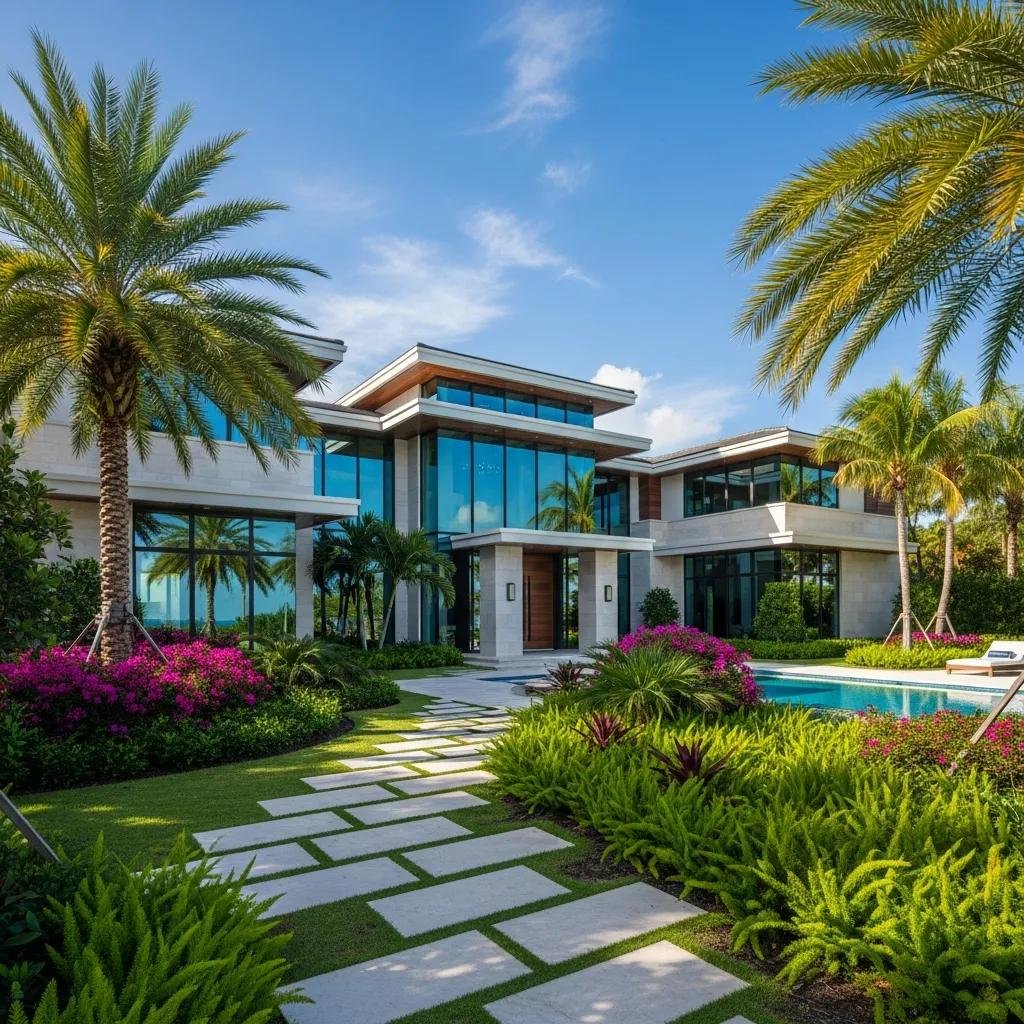
Understanding the true cost of building a custom luxury home in South Florida requires looking beyond the basic construction price per square foot. Several factors drive costs up, and many hidden expenses are often not disclosed upfront. It’s important to approach budgeting with a comprehensive mindset, considering every phase of the project from land acquisition to final finishes.
What Drives Construction Costs Up?
- Location: Building in high-impact zones requires impact windows, doors, and sometimes specialized engineering, increasing costs. Coastal areas may also require additional flood mitigation measures, which add to the overall expense.
- Design Complexity: Unique architectural features and open floor plans can increase labor and material expenses. Custom elements such as curved walls, intricate moldings, or multi-level roofing systems require specialized craftsmanship that commands higher prices.
- Material Quality: High-end finishes and sustainable materials come at a premium but add value and longevity. Selecting imported stone, custom cabinetry, or eco-friendly insulation can significantly influence the budget.
- Smart Home Technology: Integrating advanced systems for security, lighting, and climate control adds to initial costs. While these technologies enhance convenience and efficiency, they require upfront investment in wiring, programming, and compatible devices.
Hidden Costs Nobody Warns You About
Beyond the visible construction expenses, homeowners should budget for additional costs that can add 20–30% to the total budget, including:
- Land clearing and demolition
- Utility connections and upgrades
- Permits and inspections
- Environmental testing and assessments
- Design and architectural fees
These hidden costs often arise from regulatory requirements and site-specific challenges. For example, soil testing might reveal the need for specialized foundation work, or environmental assessments could mandate preservation of certain natural features, both of which increase costs.
Why Final Costs Almost Always Exceed the Original Budget
Final costs often surpass initial estimates due to unforeseen challenges such as supply chain disruptions, design changes, permit delays, and rising material prices. Setting aside a contingency fund of 10-20% is essential to manage these unexpected expenses effectively. Additionally, changes requested during construction—whether due to evolving tastes or practical needs—can add significant costs if not anticipated early on.
It’s also important to consider inflation and market fluctuations, especially in a dynamic region like South Florida where demand for luxury homes can drive up prices rapidly. Working closely with your builder and Owner’s Representative to monitor costs throughout the project can help mitigate surprises.
How Long Does It Actually Take? (Most Only Count Construction Time)
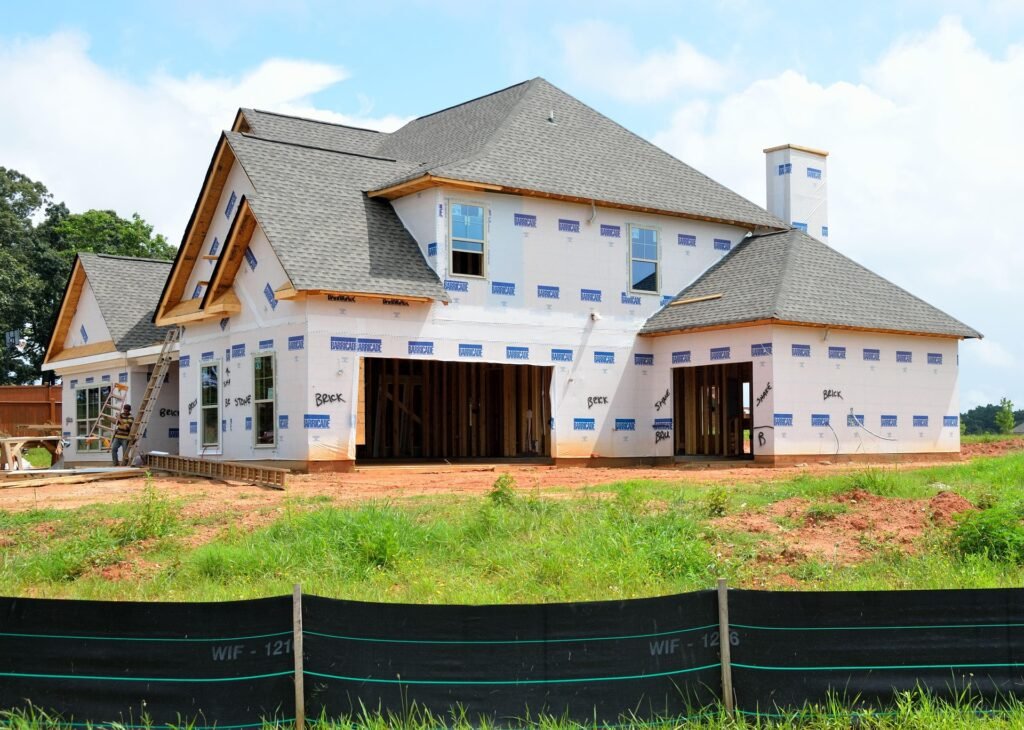
Many homeowners underestimate the total timeline for building a custom luxury home by focusing solely on the construction phase. The reality includes several critical stages that extend the overall duration, each with its own complexities and potential delays.
Design Phase
This initial phase involves site selection, architectural design, and finalizing plans. It typically takes 4-8 months, depending on the complexity of the project and the responsiveness of all parties involved. During this time, multiple revisions may be necessary to align the design with budget, zoning regulations, and personal preferences. This phase also includes selecting materials and finishes, which can be time-consuming but crucial for avoiding delays later.
Permitting in Palm Beach + Broward (The Real Clock)
Obtaining permits in South Florida, especially in Palm Beach and Broward counties, can be a lengthy and bureaucratic process. This phase often takes several months and is a common source of delays due to incomplete applications, zoning issues, and environmental concerns. Navigating local regulations requires patience and expertise, as each municipality may have different requirements and review timelines. Engaging professionals familiar with the permitting process can help expedite approvals.
Construction Phase + What Delays It
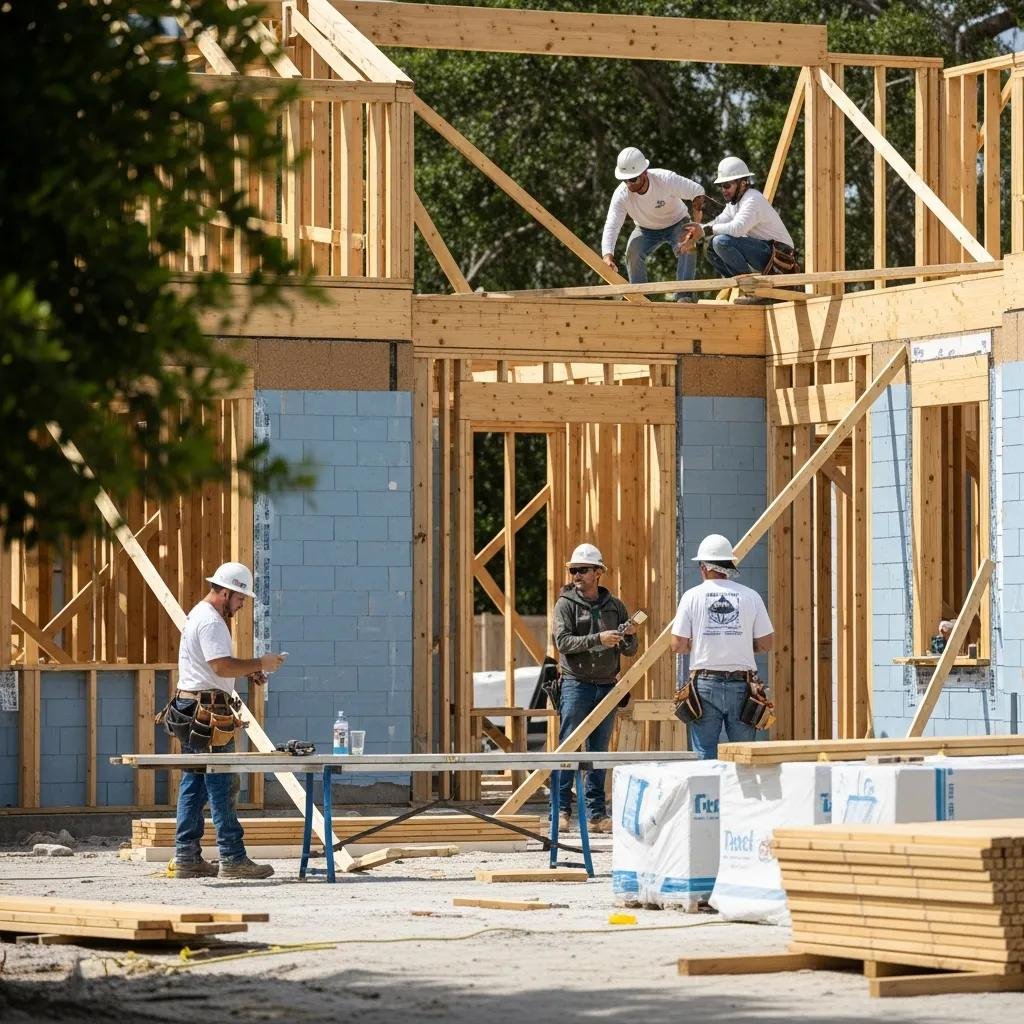
The actual building process usually lasts between 8 to 16 months. However, weather conditions, supply chain issues, labor availability, and design changes can extend this timeline significantly. South Florida’s hurricane season can cause work stoppages, and shortages of skilled labor or materials can create bottlenecks. Additionally, last-minute design modifications or unforeseen site conditions, such as poor soil quality, can add weeks or months to the schedule.
Final Closeout, Inspections, Certificate of Occupancy
After construction, final inspections and the issuance of the Certificate of Occupancy can take anywhere from 2 weeks to 2 months. This phase includes completing punch lists and ensuring all systems meet code requirements. Delays here often stem from minor deficiencies that require correction or additional documentation needed by local authorities. Planning for this phase is critical to avoid moving in later than expected.
Realistic Total Timeline (Often 2x What Homeowners Expect)
When combining all phases—design, permitting, construction, and closeout—the total timeline for building a custom luxury home in South Florida often doubles initial homeowner expectations, ranging from 12 to 26 months or more. Understanding this full timeline upfront helps set realistic expectations and reduces stress throughout the process. Early and ongoing communication with your project team is key to managing timelines effectively.
How an Owner's Representative Helps You Avoid Every One of These Mistakes
Hiring an Owner’s Representative can be a game-changer in managing your custom home project. This professional acts as your advocate, overseeing every aspect from planning through completion to ensure your interests are protected. Benefits include:
- Comprehensive Planning: Ensures the full scope is defined before construction begins, reducing costly changes.
- Budget Management: Identifies hidden costs early and helps maintain financial control.
- Timeline Oversight: Monitors permitting and construction progress to minimize delays.
- Quality Assurance: Coordinates inspections and punch lists to guarantee a high-quality finish.
- Expert Communication: Serves as a liaison between you, builders, architects, and authorities to streamline the process.
With an Owner’s Representative, you gain peace of mind and a smoother path to your dream home. Their expertise can save you time, money, and stress by anticipating challenges before they arise and ensuring your vision is realized without compromise.
Ready to Build Your Dream Home with Confidence?
Taking the first step toward a successful custom home project means understanding your readiness and knowledge about the process. Our quick, comprehensive quiz is designed to help you identify potential challenges specific to your project and provide tailored advice on how to address them effectively.
By assessing your current planning, budgeting, and timeline expectations, you can uncover gaps that might otherwise lead to costly mistakes or delays. Whether you’re just starting to explore custom home building or are already deep into the process, this quiz offers valuable insights to keep your project on track.